

Overview: A catalytic converter’s value has nothing to do with the badge on the bonnet and everything to do with how much platinum, palladium and rhodium it contains. In this guide we go through which car types and models tend to come out on top, why hybrids and large diesels stand out, and how to establish the value of your own converter reliably.
Key Takeaways
- Value is decided by precious-metal content – especially rhodium, the most valuable of the three.
- The most valuable catalytic converters are often found in large engines, diesels and hybrids, not just in premium brands.
- Hybrid converters are frequently highly loaded, which is also why they are targeted by thieves.
- Make and model give an indication, but the exact value only emerges through identification and analysis.
- The same model can vary by year and engine, so generalisations are only a starting point.
- A reliable recycler establishes the value by XRF analysis and pays according to the current market price.
The question of the most valuable catalytic converters always comes back to the same thing: precious-metal content. The most valuable catalytic converters contain the most platinum, palladium and rhodium, and it is precisely these metals that set the price. Make and model give an indication, because they hint at the engine type and the size of the converter – but the final value only becomes clear once the part is identified and analysed.
In this guide we don’t promise a single winning model; instead, we show which kinds of cars typically end up on top, and why. That way you can gauge your own car’s converter value bracket realistically before you request a formal valuation. There are plenty of inflated price promises floating around online, so a realistic starting picture saves you from disappointment. Bear in mind, too, that different years of the same car can fall into different value brackets.
What makes a catalytic converter valuable?
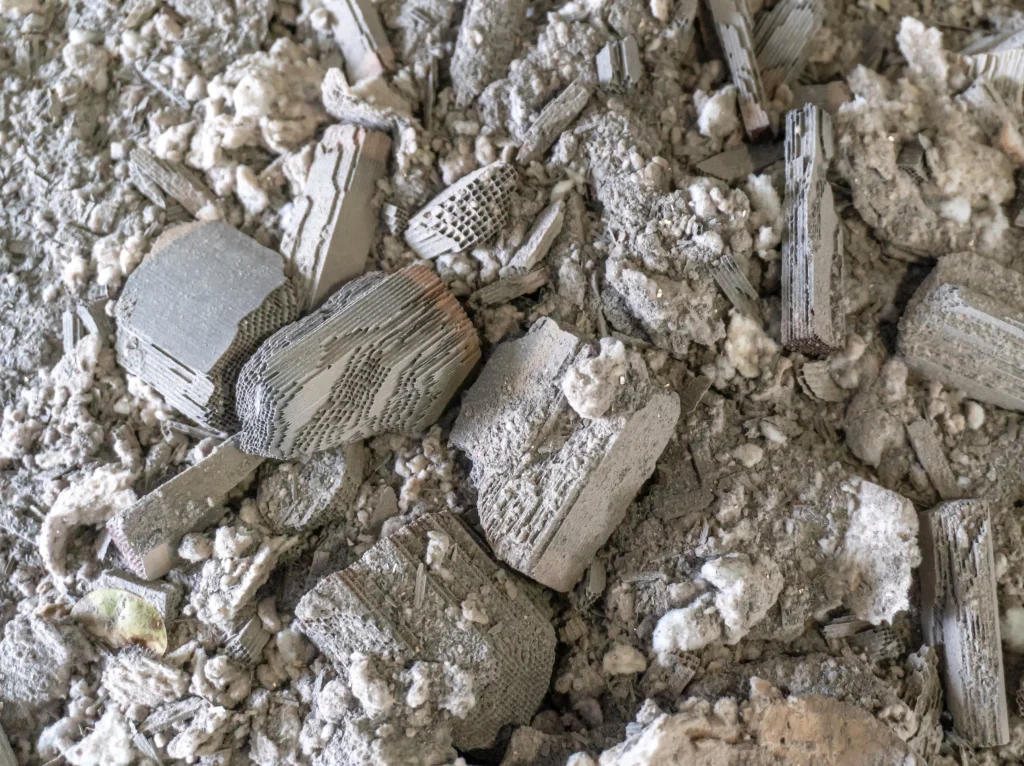
A catalytic converter’s value is decided by the precious metal it contains: platinum, palladium and rhodium. Of these, rhodium is typically the most valuable, and its share can raise the price of a single part significantly. The steel shell has little value – everything comes down to the coating on the ceramic honeycomb. Every car catalytic converter carries this coating, but the amount varies from model to model.
According to a review on ScienceDirect, used catalytic converters contain precious metals at even higher concentrations than natural ore, which explains why they genuinely command a price. Diesel converters often contain more platinum, while the parts from petrol cars are weighted towards palladium and rhodium. This means the converters of two different cars can be valuable for different reasons: one thanks to platinum, the other thanks to rhodium. This difference is one reason why the converters of different car types are worth different amounts.
Rhodium is decisive
The importance of rhodium cannot be overstated: at times it has been worth several times more than platinum, so even small differences in rhodium content show up directly in the price. Because of this, two outwardly identical converters can differ considerably in value – what is decisive is the composition of the coating, not the size of the part alone. In practice, the rhodium in catalytic converter units is often the single biggest value driver. This is exactly why a reliable valuation always rests on measurement rather than on model information alone.
The condition of the part also matters: an intact honeycomb with the coating still in place is worth more than a damaged or partly empty part. That is why you should not open or empty a converter yourself – doing so removes the very material that carries the value.
Which cars tend to top the list
Value follows precious-metal content, so certain car types usually land higher. This is a rough guide only – the real figure always comes from an analysis.
Tier 1
Usually highest value
Car types: Large diesels, hybrids (e.g. Toyota Prius), and powerful petrol engines.
Why: Bigger converters with high precious-metal loadings, often rich in rhodium.
Tier 2
Mid-range
Car types: Mid-size European saloons and estates, such as many BMW and Volvo V70 models.
Why: Reasonable size and loadings, but it varies a lot by engine and year.
Tier 3
Usually lower value
Car types: Small city cars.
Why: Smaller converters with less coating, so less recoverable metal.
Note: These are general patterns, not guarantees. The same model varies by engine, year, and condition – only an assay reveals the real value.
Value moves with the market
It is also worth understanding that value is not fixed. Because the prices of platinum, palladium and rhodium fluctuate on the world markets, the value of the same converter can change over the course of a few months. This applies equally to every model, whether it is a premium car or a family car.
Which catalytic converter is the most valuable?
When people ask which catalytic converter is the most valuable, the answer is the one with the most precious metal relative to its size – in practice, often a large diesel or hybrid converter with plenty of rhodium. The converters of large engines and heavier cars are physically bigger and contain more coating, so they are frequently at the top. Small city-car converters, by contrast, are smaller and more lightly loaded, so their value tends to be more modest.
According to a World Platinum Investment Council review published in April 2026, platinum group metal prices rose by 50 to 100 per cent over the preceding year, which lifts the value of parts containing these metals in particular.
In practice, the cars that rise to the top are often those with a large engine capacity and effective exhaust after-treatment. These include many big diesels, sporty petrol engines and hybrids. A generalisation still does not replace analysis, though: different engine versions of the same model can contain different amounts of precious metal, so the most valuable individual unit only becomes clear after identification.
As a rule, the stricter the emissions standard a car was designed to meet, the more precious metal its converter often contains. Newer cars may therefore hold more palladium and rhodium than older ones – although the size of the part and the engine type also affect the outcome.
The most expensive catalytic converters: which models stand out?
The most expensive catalytic converters are often tied to particular car types rather than to a single brand. Those that rise to the top are typically the diesels of large European cars, powerful petrol engines and hybrids with a high precious-metal content. Premium brands such as BMW, Mercedes-Benz, Volvo and Audi are frequently mentioned, because they have large engines and effective exhaust systems. Many Japanese hybrids also make the lists thanks to their high precious-metal loading, so the top tier is not limited to one continent or manufacturer.
Sometimes value is also affected by demand: there are established markets for the converters of certain models, which can show up in the price. Even so, the basic principle holds – the sum paid is based on the recoverable precious metal, not on a model’s reputation.
It is still important to remember that the same model can vary a great deal by engine, year and specification. That is why any list of the most valuable models is always indicative. The real difference comes from how much rhodium, platinum and palladium a given part contains – and you cannot see that from the outside. For this reason, a plain “top 10” list of models is always a simplification.
Size and age matter more than the badge
Practical experience shows that a car’s size and purpose often predict value better than the brand. Estates, SUVs and large saloons carry bigger converters than small cars. The car’s age also plays a part: the emissions standards of different eras have required different loadings, which shows in the amount of precious metal.
The BMW catalytic converter – why can it be valuable?
A BMW catalytic converter is often an example of a part that can be more valuable than average. The reasons are the large petrol and diesel engines and the effective exhaust-cleaning systems, which call for a generous precious-metal loading. The bigger and more powerful the engine, the more coating the converter generally has. The search term “bmw katalysaattori” is popular precisely because the brand’s cars often have large engines – but what is decisive is always the precious-metal loading of that specific engine, not the badge alone.
This does not mean, however, that every BMW converter is automatically valuable. The part from a smaller engine or an older model can be more modest. Only identification and analysis confirm the value – not the brand as such.
The Toyota Prius catalytic converter and hybrids
The Toyota Prius catalytic converter is a well-known example of a valuable hybrid part. In hybrid cars the combustion engine starts and stops continuously and runs cooler, so the converter is designed with a high precious-metal loading in order to clean the exhaust even when cold. This high content makes many hybrid converters exceptionally valuable. The search term “toyota prius katalysaattori” comes up often for exactly this reason, and the same phenomenon applies to many other hybrids too, not just the Prius.
As hybrids become more common, more of their converters are also reaching recycling. If your car is a hybrid and the converter is replaced, it is worth establishing the value of the old part before you hand it on – it may be more valuable than expected.
Why hybrids are targeted by thieves
It is precisely for this reason that the converters of Prius models have been popular with thieves around the world. From the owner’s point of view, the key thing is that when a hybrid’s converter is replaced, the old part is worth recycling properly – its precious-metal value is often significant.
The Volvo V70 catalytic converter
The Volvo V70 catalytic converter represents a larger European estate car with a sizeable engine and exhaust system. In cars like these the converter is typically physically large, which means more coating surface and therefore more recoverable precious metal. Volvo’s long service life also means that these converters come up for recycling steadily, year after year. Both petrol and diesel versions exist, and their contents differ. Many people look for information using the search term “volvo v70 katalysaattori”, because the model is common and long-lived, and a large estate’s part typically holds more recoverable precious metal than a small car’s.
As with other models, the exact value depends on the engine and the year. The Volvo V70 is a good example of how a car’s size and purpose often say more about a converter’s value than the brand alone.
How to find out your own converter’s value
You will most reliably establish the catalytic converter value through identification and analysis, not by comparing brands online. The part’s manufacturer code indicates the model and the typical precious-metal content, and the exact value is confirmed by XRF analysis. Metalaxis draws on a database of more than 30,000 analysed converters, so the estimate is based on measured data rather than guesswork.
Value is only one part of the sale. Choosing a sales channel, the documentation, and the legal and tax side are brought together in our guide to selling a catalytic converter in Finland: price, valuation and recycling.
Identification, analysis and timing
What to do before a valuation
The price moves with the market, so timing matters too. Precious-metal quotations change daily, so the same part can be worth different amounts in different weeks. For larger volumes – such as at garages and dismantlers – this has practical significance for the timing of a sale. You can read more about how much a catalytic converter costs in Finland in 2026, as well as how the price of a catalytic converter is formed. In Finland the value of a single part typically falls somewhere between about 50 and 900 euros, but the most valuable parts can exceed this. It is also worth keeping the part intact and noting down the car’s make, model and year, since good background information speeds up identification and improves the accuracy of the estimate.
| Car type | Why it can be valuable |
|---|---|
| Large diesel | Big converter, plenty of platinum |
| Hybrid (e.g. Prius) | High precious-metal loading for cold running |
| Powerful petrol engine | More palladium and rhodium |
| Small city car | Smaller part, lower content |
Source: Metalaxis – indicative comparison; the exact value is always confirmed by analysis.
Summary
The most valuable catalytic converters are determined not by the logo but by the precious metal. Large diesels, powerful petrol engines and especially hybrids often come out on top, and rhodium content is decisive. The make and model – whether it’s a BMW, Toyota Prius or Volvo V70 – give an indication, but only an analysis reveals the final value. Find out what your own part is worth by requesting a catalytic converter recycling valuation.
FAQ
The most valuable is the one with the most precious metal relative to its size – often a large diesel or hybrid converter with plenty of rhodium. The brand alone is not decisive: two identical-looking parts can differ greatly in value. The exact value only emerges through identification and XRF analysis.
A hybrid’s combustion engine runs cooler and starts repeatedly, so the converter is designed with a high precious-metal loading to clean the exhaust even when cold. This high content raises the value. It is also the reason hybrid converters have been targeted by thieves.
Often, but not automatically. Premium brands typically have large engines and effective exhaust systems, which means more precious metal. However, the part from a smaller engine or an older model can be modest. Value is decided by content, not by the logo.
In Finland the value of a single converter typically falls between about 50 and 900 euros, and the most valuable, rhodium-rich parts can exceed this. The final sum depends on the precious-metal content, the condition of the part and the current market price. A reliable estimate is always based on analysis.
Thefts target models whose converters contain a lot of precious metal and which are easy to access. Hybrids such as the Prius, along with cars with high ground clearance, have been particularly vulnerable. Recycling the old part properly is a legal and safe way to realise its value.
The surest way is to have the part identified and analysed. The manufacturer code indicates the model, and XRF analysis measures the true precious-metal content. That way you get a well-founded estimate, rather than comparing brands alone online.


